
How Out-of-State Adult Children Can Coordinate Senior Placement in Colorado
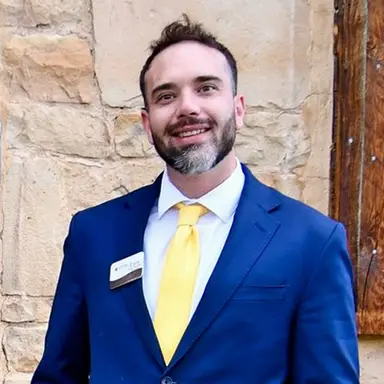 Cory Strauch, CADDCT, Assisted Living Administrator, QMAPLast updated September 2, 20269 min read
You can run the search from anywhere. A local advisor tours in person, sends photos and notes, joins video calls, verifies licensing and staffing, and coordinates the move. Plan one trip for final visits and move-in day. Keep one family decision maker and one shared document.

Trying to help a parent from another state can make every senior living decision feel heavier. You are often managing worry, distance, time zones, and incomplete information all at once.
The good news is that out-of-state placement can still move in a clear and organized way. The key is not trying to do everything from afar. It is building a simple coordination process so the right information, the right local help, and the right decision points show up in the right order.
If you want the Colorado placement overview first, start here: Senior Placement Colorado.
What is the best way to coordinate senior placement from another state?
The best way is to treat the process like a coordinated project, not a rushed weekend search. A strong long-distance placement process usually starts with a focused intake, a realistic shortlist, a plan for tours and observations, and one person keeping the family aligned.
Above & Beyond’s senior placement page says the team supports families across Colorado and can often help by phone or video if they are coordinating care from a distance. The same page describes the process as consultation, curated recommendations, tour support, decision support, and help through move-in. That is a strong fit for out-of-state families because it creates a structure instead of forcing the family to manage every moving part alone.
The National Institute on Aging’s guidance on long-distance caregiving notes that remote caregivers often take on major responsibilities, including researching long-term care options like assisted living or nursing homes, arranging care, assisting with finances and insurance matters, and coordinating information.
What should the out-of-state adult child handle, and what should be delegated locally?
The cleanest process usually splits responsibilities. The long-distance adult child often acts as coordinator and decision partner, while local professionals, local family, or trusted on-the-ground contacts help verify what daily life actually looks like.
That division matters because long-distance placement usually breaks down when one person tries to research, observe, compare, communicate, and coordinate every detail alone.
| Placement task | What the out-of-state adult child can handle | What a local advisor or local contact can help with | Why this split works |
|---|---|---|---|
| Intake and family coordination | Clarify goals, budget range, preferred location, and who makes decisions | Ask practical local follow-up questions and spot local constraints | Keeps the search organized from the start |
| Shortlist research | Review options, compare tradeoffs, and keep notes | Narrow realistic communities based on Colorado market knowledge | Prevents random or overly broad searching |
| Tours and observations | Join by phone or video, review notes, compare impressions | Visit in person, observe environment, ask situational follow-up questions | Gives the family both distance and local context |
| Decision and next steps | Align siblings or decision-makers, compare final options, approve the move path | Help coordinate timing, paperwork flow, and practical transition details | Reduces last-minute confusion |
| Ongoing communication | Stay informed, track updates, and keep the family on the same page | Provide on-the-ground perspective when details change quickly | Makes remote decision-making more reliable |
What should happen first when you are coordinating from afar?
The first step is to gather a workable snapshot, not a perfect case file. A strong first conversation should cover what changed, what is becoming hard or unsafe, what part of Colorado matters most, how urgent the situation is, and what budget range is realistic.
Above & Beyond’s contact page says the first consultation is usually 15 to 30 minutes and asks families, if possible, to share the preferred area in Colorado, timeline or urgency, mobility and daily support needs, medications, and any memory or safety concerns. The page also says it is okay not to have everything ready because the team will guide the conversation.
That is the right approach for long-distance families. Waiting until you have every detail often slows the process more than starting with a clear but incomplete snapshot.
How should out-of-state families handle tours in Colorado?
Tours still matter, but long-distance families usually need a more disciplined version of the tour process. The goal is not just to “see a place.” It is to make sure the family gets usable observations even when not everyone can be there in person.
Above & Beyond’s service page says the team helps families prepare for tours and compare communities clearly afterward. Testimonials on the site also describe tour coordination, help narrowing choices, and support after visits.
For out-of-state families, that usually means keeping the shortlist small, deciding who will attend each tour, using the same comparison criteria every time, and making sure one person is responsible for capturing the important details right away.
Remote coordination checklist for tours and follow-up
Use this process to keep tours useful when family members are out of state:
- keep the shortlist small enough that comparisons stay clear
- decide in advance who is the main family point of contact
- use the same comparison notes for every community
- join tours by video or phone when possible if you cannot attend in person
- ask the local person attending to focus on care process, staff responsiveness, and environment, not just appearance
- review the notes the same day while details are still fresh
- compare finalists using the family’s actual priorities, not just first impressions
- confirm next-step requirements such as assessments, paperwork, and expected timing
- keep one running document with updates so siblings are not working from different information
- move quickly when the fit is clear instead of reopening the full search every time a new option appears
This is where distance can actually be managed well. The issue is usually not miles. It is whether the process creates consistent information.
How can adult children stay informed without trying to control every detail?
The most effective long-distance caregivers often act as communication hubs. They do not need to physically do everything. They need to make sure information flows clearly between family, local helpers, and senior living contacts.
The National Institute on Aging’s guidance on long-distance caregiving specifically notes that remote caregivers often act as information coordinators, researching health conditions and medications, helping oversee benefits, arranging care, and keeping communication moving between providers and family members.
That role is especially helpful when several siblings are involved. One person can gather updates, track questions, and make sure each next step is based on the same facts instead of scattered assumptions.
If your family needs shared educational material to stay aligned, See: Educational Resources.
What local Colorado resources can help if you are coordinating from another state?
Out-of-state families do better when they combine private guidance with official local resource points. That helps when the family needs broader aging-network support in addition to a placement search.
Colorado’s State Unit on Aging and ADRC guidance highlights that the state funds 16 Area Agencies on Aging serving older adults and caregivers, and points families to Aging and Disability Resources, where calling 1.844.COL.ADRC can help connect them to local agencies and services.
The Administration for Community Living’s Eldercare Locator provides a national resource for connecting older adults and families with local services, with support available via phone, chat, or email.
These resources do not replace the placement decision, but they can help families fill gaps in support and local information.
If you need Colorado-specific placement help by phone or video while coordinating from another state, Contact us.
What does a workable long-distance placement process look like in real life?
It helps to picture the process in real family situations instead of abstract advice.
Example 1: The family uses a small, coordinated search
A daughter living in Texas is helping her mother in Colorado Springs after medication mistakes and increasing isolation become harder to ignore. She cannot fly in for every step, so she works with a Colorado advisor to narrow the shortlist, joins a tour by video, and keeps one shared note document for the family.
The process is not perfect, but it is organized. Because the family stays focused on a few realistic options and reviews each one using the same criteria, the decision moves forward without the search turning chaotic.
Example 2: The family learns to stop over-researching
A son on the East Coast starts by saving dozens of Denver-area communities and trying to compare all of them from websites alone. After a week of research, he still cannot tell which places are worth actual attention.
The turning point is when he shifts from internet searching to coordinated decision-making. Once the shortlist becomes smaller, the observations become more useful, and the conversations focus on fit instead of volume.
What mistakes do out-of-state adult children make most often?
The most common mistake is trying to replace a process with more research. Distance often pushes families toward over-comparing and under-deciding.
Another common mistake is confusing communication with coordination. A family may be texting constantly, but still not have one person tracking the real next step.
Common mistakes and red flags
- trying to compare too many communities from websites alone
- not naming one family decision-maker or main point of contact
- waiting for a “perfect” in-person visit before making progress
- relying on memory instead of one shared comparison document
- focusing on appearance and amenities instead of care fit and daily support needs
- keeping the shortlist too broad because no one wants to rule anything out
- not using local help for on-the-ground context
- letting sibling disagreement slow every next step
- assuming remote coordination means you have to handle every detail yourself
- treating urgency as a reason to skip clear comparisons entirely
A better approach is usually smaller, simpler, and more structured.
How should out-of-state families decide when they are ready to move forward?
You are usually ready to move forward when the family has a realistic shortlist, the main decision-makers understand the tradeoffs, and the next steps no longer feel vague.
That does not mean every concern is gone. It means the process has produced enough clarity to act. For many out-of-state families, progress comes from choosing a workable option with strong support, not from eliminating every uncertainty first.
Frequently Asked Questions
-
Can a Colorado senior placement advisor help if I live in another state?
Yes. Above & Beyond says it supports families across Colorado and can often help by phone or video if they are coordinating care from a distance.
-
What is the hardest part of coordinating placement from another state?
Usually it is not the distance by itself. It is keeping information consistent, narrowing options realistically, and making sure someone is handling the local observations the family cannot do in person.
-
Do I need to fly in before starting the process?
Not necessarily. A strong process can begin with a phone or video consultation, a realistic shortlist, and a plan for who will handle local observations or tours.
-
What official Colorado resources can help long-distance families?
Colorado’s State Unit on Aging and Aging and Disability Resources guidance explains that families can connect with local aging-network support through Area Agencies on Aging, while the Administration for Community Living’s Eldercare Locator helps identify trusted services nationwide.
-
What role should the out-of-state adult child play?
Often the strongest role is coordinator and decision partner: gathering information, keeping family members aligned, reviewing options, and helping the process move forward without trying to do every on-the-ground task personally.
Ready to coordinate Colorado placement from another state with less chaos?
If you want a Colorado-based team that can help by phone or video, narrow realistic options, and support the process from first call through next steps, start here: Senior Placement Colorado.
Related guides
Related guides
How Long Does Senior Placement Take in Colorado?
Urgent placements in Colorado can close in two to five days when records are ready. A typical search runs two to four weeks: assessment, tours, contract review...
Cory Strauch · 9 min read
Senior Placement Advisor vs Geriatric Care Manager: Who Should You Call First?
A placement advisor helps you find and compare the right community and is usually free to families. A geriatric care manager is paid hourly to coordinate ongoi...
Cory Strauch · 10 min read
Questions to Ask a Senior Placement Advisor Before You Work Together
Ask who pays you and how much, which communities you work with and which you do not, what your clinical background is, how you assess care needs, whether you t...
Cory Strauch · 10 min read
Read next
The main page behind our working with an advisor guides.
Continue with Working With an Advisor