
What to Gather Before Your First Senior Placement Call
 Cory Strauch, CADDCT, Assisted Living Administrator, QMAPLast updated September 2, 202610 min read
Bring a current medication list, recent diagnoses, mobility and memory notes, the help needed with bathing and dressing, monthly income and assets, veteran status, preferred areas, and your timeline. That is enough. You do not need medical records or a final decision to start a useful conversation.
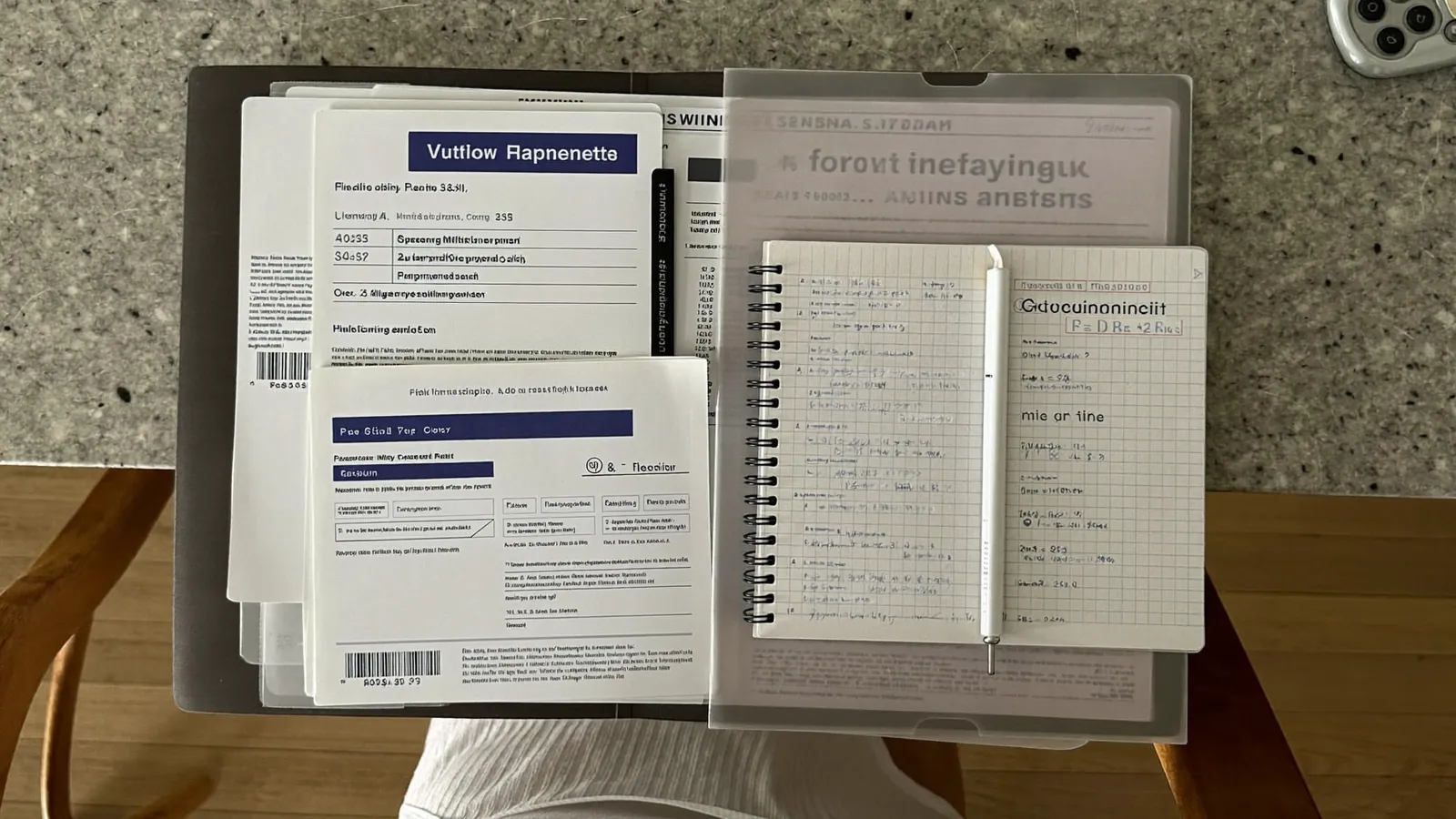
Many families delay the first senior placement call because they think they need to have everything figured out first. In reality, you do not need a perfect spreadsheet, a full medical file, or a final decision about care level before you reach out.
What helps most is gathering a short set of practical facts. The goal is not to become an expert before the conversation. The goal is to give the advisor enough context to make the first call useful and keep the search from starting in the dark.
If you want to schedule the consultation first, start here: Contact us.
What information matters most before the first call?
The most useful information is the kind that helps an advisor understand what changed, what support is needed now, what constraints matter, and what a realistic next step might be.
Above & Beyond’s Contact page answers this directly. It says families should share, if possible, the preferred area in Colorado, timeline or urgency, mobility and daily support needs, medications, and any memory or safety concerns. The same page also says it is okay if you do not have all of that ready, because the team will guide the conversation.
The senior placement service page reinforces the same intake pattern from another angle. In the first consultation, the team says it learns about care needs, daily routine, timeline, budget, preferred locations, and the kind of environment that feels like home.
That gives you a strong baseline for what to gather first.
| Information category | Have ready now | Helpful but not essential | Why it matters |
|---|---|---|---|
| Reason for the search | What changed recently and why you are reaching out now | A full timeline of every event | Helps the advisor identify urgency and likely decision path |
| Care and support needs | Mobility, falls, bathing, dressing, meals, medications, supervision | Clinical detail from every appointment | Clarifies likely fit and what support really matters |
| Memory and safety concerns | Wandering, confusion, nighttime issues, unsafe decisions | Formal diagnosis paperwork | Safety signals often shape the next step faster than labels |
| Location preferences | Preferred city, region, or distance from family | A finalized ZIP-code list | Keeps recommendations realistic and usable |
| Timing | Whether this is urgent, soon, or exploratory | Exact move-in date | Prevents the search from moving too slowly or too fast |
| Budget range | A rough monthly comfort zone or hard-stop number | Perfectly detailed asset breakdown | Helps narrow realistic options early |
| Lifestyle preferences | Social environment, size, dining, pets, culture, routines | A polished dream list | Improves fit once basics are clear |
What should you write down about care needs?
Start with what is hard, unsafe, or inconsistent on a typical day. You do not need clinical language. Everyday observations are often more useful.
Above & Beyond’s service page says the first consultation usually asks about mobility or safety concerns, help with meals, bathing, dressing, toileting, or medications, and any memory changes such as wandering, confusion, agitation, or sundowning. Other placement-service pages follow a very similar pattern. Silver Age Advisors says its first conversations and intake process cover health, medications, safety, mobility, cognition, daily needs, and finances. A1 Senior Care Advisors says families should bring a basic overview of mobility, memory concerns, medication support, falls history, and whether help is needed with bathing or dressing.
A good shortcut is to think in functions, not labels. What can your loved one still do safely, what now requires help, and what seems to be getting harder?
What should you gather about timing and urgency?
Families often underestimate how important timing is. An advisor can suggest better next steps when they know whether the search is exploratory, moderately urgent, or tied to a hard deadline.
You do not need a precise move date. You just need an honest answer to questions like: Are we planning ahead, reacting to a recent decline, or trying to move quickly because something changed? Above & Beyond’s Contact page specifically asks families to share timeline and urgency in the first contact.
This matters because the search path is very different when the family is planning calmly than when there is a hospital discharge, a sudden safety issue, or caregiver burnout in the background.
How detailed does the budget information need to be?
Not very detailed at first. A rough monthly range is usually more helpful than waiting until you have every financial detail organized.
Above & Beyond says the first consultation covers budget range, not a full financial analysis. The goal is to understand what is realistic enough to narrow options, not to complete a perfect financing plan on the first call. Silver Age Advisors also describes the early process as clarifying finances at a high level before more detailed planning.
If your family is not sure, it still helps to identify a comfort zone, a hard-stop number, and whether a home sale, benefits question, or time delay may affect the decision later.
If you want help turning a rough picture of needs, location, and budget into a practical Colorado next step, start here: Senior Placement Colorado.
What location details should you gather before the call?
Keep this simple. Most advisors do not need a finalized list of communities before the first call. What helps more is knowing the preferred city or region, how close the location should be to family or doctors, and whether there are any dealbreakers.
Above & Beyond’s service page says the first consultation asks about preferred locations and whether being near family, doctors, or a familiar neighborhood matters. The Contact page similarly asks for the preferred area in Colorado.
This is important because a search can widen or narrow quickly depending on geography. A family open to multiple parts of the Front Range has a different path than a family that needs one very specific neighborhood.
What lifestyle or quality-of-life details are worth gathering?
Once the basics are covered, quality-of-life details can make the shortlist much better. They should support the search, not replace the care discussion.
Above & Beyond says the first consultation also explores the kind of environment that feels like home. North Star Senior Advisors similarly notes that placement advisors often learn about present living arrangements, recent health changes, and even favorite activities to help match people to the right kind of setting.
Helpful details include whether your loved one values a smaller or more social environment, whether they care deeply about dining, routine, outdoor space, pets, religious connection, or a certain pace of life. These are not the first filter, but they often improve the final fit.
What if you do not know all of this yet?
That is normal. The first call is supposed to reduce confusion, not punish it.
Above & Beyond’s Contact page says directly that if you do not have all the information ready, that is okay and the team will guide the conversation. That is one of the most important signals families can take from the page.
The stronger move is to show up with the basics you do know, be honest about the gaps, and let the first conversation help organize the rest. Overwaiting for perfect certainty usually slows the search more than incomplete notes do.
Prep checklist: what to gather before the call
Use this checklist to prepare in 10 to 15 minutes:
- write one or two sentences explaining what changed and why you are reaching out now
- note the current living situation and who is helping day to day
- list the biggest support needs: mobility, bathing, dressing, meals, medications, supervision
- write down any falls, wandering, confusion, nighttime issues, or other safety concerns
- identify the preferred Colorado area or distance from family
- choose a rough timeline: urgent, soon, or planning ahead
- note a rough monthly budget range or hard-stop number
- list two or three quality-of-life preferences that really matter
- write down the family’s main goal, such as safety, social connection, or reducing caregiver strain
- bring any key medication or diagnosis notes only if they are easy to access
That is enough to make the first conversation far more productive.
What does useful prep look like in real life?
Families do better with examples than theory, because preparation often feels harder than it is.
Example 1: The family keeps it simple and gets clarity fast
A daughter in Boulder is helping her mother, who is missing medications and becoming more isolated. She does not have every financial detail and worries she is not ready to call.
Before the consultation, she writes down the preferred area, the rough budget range, the fact that medication support is becoming necessary, and that the main goal is safety without losing too much independence. That is enough for a useful first conversation.
Example 2: The family over-prepares the wrong things
A son in Denver spends hours gathering brochures, saving community websites, and comparing amenities before he has written down the actual daily problems. When the call starts, he knows which buildings look nice but cannot clearly explain what help his father needs day to day.
The conversation still helps, but the real progress begins only when he shifts from community features to support needs, timing, and location. That is the kind of reset this article is meant to prevent.
What mistakes do families make when preparing for the first call?
The most common mistake is gathering too much of the wrong information and too little of the right information.
Families often spend energy on community websites, photos, and amenities before they have a clean summary of support needs, safety concerns, location, and budget range. That usually makes the first call less efficient, not more.
Common mistakes and red flags
- waiting until every detail is perfect before reaching out
- focusing on buildings and amenities before clarifying support needs
- not writing down what changed recently and why the search started now
- skipping memory or safety concerns because they feel hard to say out loud
- bringing a very detailed wish list but no realistic budget range
- assuming a formal diagnosis is required before an advisor can help
- gathering every brochure while ignoring current living situation and timing
- mistaking over-preparation for useful preparation
A better rule is simple: gather the facts that shape fit, not just the details that make the search feel busy.
How should families prepare if several people are involved?
If siblings or multiple family members are involved, it helps to align on the goal before the call. You do not need full agreement on every detail, but you should know the main concern and who will speak for the family if needed.
A practical prep step is to agree on one sentence that defines the reason for reaching out. Something like, “We are worried about falls and medication mistakes,” or, “We need to understand realistic options near Denver in the next few months,” is often enough to keep the first conversation grounded.
If your family wants shared educational material before the call, this can help: Educational Resources.
Frequently Asked Questions
-
What should I have ready before my first senior placement call?
At minimum, it helps to know the preferred area, timeline or urgency, mobility and daily support needs, medications, any memory or safety concerns, and a rough budget range. Above & Beyond lists those items directly on its Contact page.
-
Do I need to know the exact level of care before I call?
No. The first conversation is often where that becomes clearer. You do not need a final answer before reaching out.
-
Do I need full financial documents before the call?
Usually no. A rough budget range or comfort zone is enough for the first conversation. Detailed financial planning can come later if needed.
-
What if I do not know all the answers yet?
That is okay. Above & Beyond says directly that families do not need to have everything ready and that the team will guide the conversation.
-
Should I gather medical records before the first call?
Only if they are easy to access and clearly relevant. Most first consultations do not require a full record set. Everyday observations about support needs, safety, and recent changes are often more useful at this stage.
Ready to make the first call easier?
If you want a Colorado-based conversation that turns your basic notes into practical next steps, start here: Above and beyond senior living-Contact us.
Related guides
- How Senior Placement Works in Colorado: What a Senior Placement Advisor Does From First Call to Move-In
- What to Expect During the First Senior Placement Consultation
- Can a Senior Placement Advisor Help If You Already Found Communities Online?
- How assisted living works in Colorado
- More guides on working with an advisor
Related guides
What If Your Loved One Won’t Talk to a Senior Placement Advisor Yet?
You can still get help. Advisors work with the family first, gather facts, and prepare options without involving your parent. Keep early conversations about sp...
Cory Strauch · 4 min read
Senior Placement for Siblings: How to Make Decisions Without Stalling the Search
Give each sibling a clear role: one lead contact, one finance person, one for records. Agree on the top three priorities before touring, use the same scorecard...
Cory Strauch · 4 min read
Is It Too Early to Contact a Senior Placement Advisor?
It is almost never too early. Early calls are free, carry no obligation, and give you a care level view, a budget range, and a short list before a crisis force...
Cory Strauch · 6 min read
Read next
The main page behind our working with an advisor guides.
Continue with Working With an Advisor