
Red Flags When Touring Assisted Living: What NOT to Overlook in Colorado Communities
 Cory Strauch, CADDCT, Assisted Living Administrator, QMAPLast updated September 2, 20268 min read
Watch for call lights ringing unanswered, strong odors, residents left alone in rooms, vague answers about staffing or turnover, pricing that will not be put in writing, no recent inspection history, and pressure to sign today. Any one of these deserves a second visit and a licensing check.
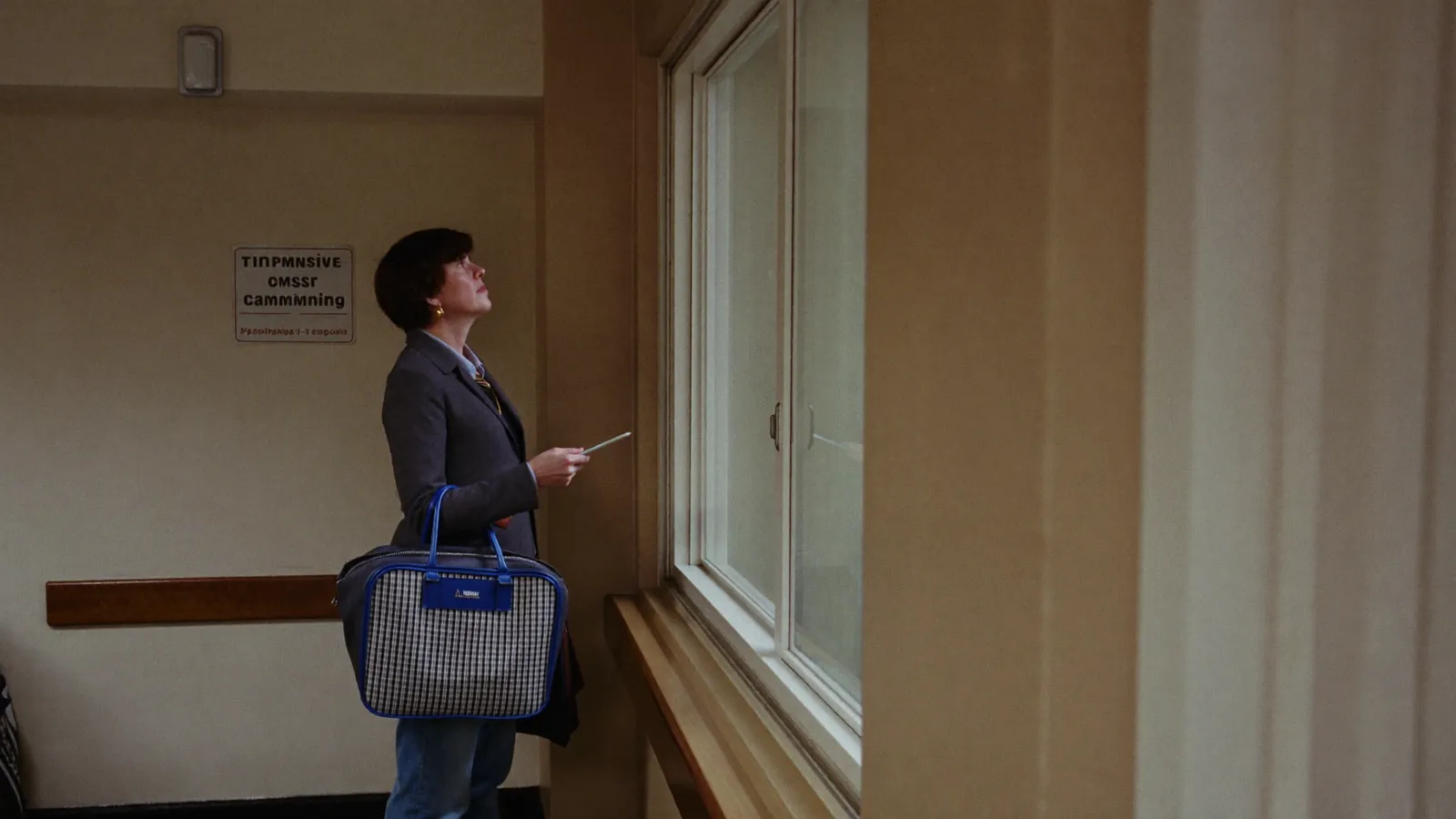
Visiting a senior living community feels overwhelming. You're looking for the right fit, and it's easy to focus only on what you see, the decorations, the activity calendar, the smiling staff during your tour. But here's what most families miss: the red flags that signal real problems. These aren't always obvious, and knowing what to watch for can protect your parent from serious care gaps, financial issues, and quality-of-life struggles down the road.
In Colorado's senior living market, the difference between a thriving community and one struggling with staffing, compliance, or care standards often comes down to what you notice during that first tour. This guide walks you through the warning signs that suggest an assisted living community might not be the right choice, no matter how pretty the lobby looks.
What do understaffing and high turnover look like?
The most telling sign of an assisted living problem starts with the people running the community. If you notice staff rushing between residents, looking overwhelmed, or if multiple staff members mention they're "short-handed," that's your first red flag. Ask directly: "What's your current staffing ratio?" and "How many staff members left in the last year?" Communities with chronic turnover struggle to provide consistent care, build relationships with residents, and maintain safety protocols.
Pay attention to who you encounter during your tour. If you see the same caregiver working a double shift or covering multiple halls, that's a sign. Quality communities maintain adequate staffing even when it impacts their bottom line. Colorado regulations require specific staff-to-resident ratios, but minimums aren't the same as optimal, and savvy communities exceed them.
Ask to speak with current residents or families if possible. Staff turnover directly impacts the quality of dementia care, medication management, and the personal attention your parent receives. A community losing staff regularly usually has culture, management, or burn-out issues that affect every resident.
Beyond the numbers, pay attention to how staff treat residents during your visit. Do they engage with residents by name? Do they seem to know individual preferences and routines? Or do interactions feel rushed and impersonal? These observations reveal whether this community views residents as people or clients.
Which cleaning, upkeep, and safety problems matter?
A community might smell clean on your scheduled tour, but check the details. Look at baseboards, corners of common areas, and the residents' wing, places the tour coordinator might not emphasize. Neglected cleaning often signals understaffing, cost-cutting, or poor management priorities. Odors in hallways, stained furniture, or dirt in common spaces suggest the community cuts corners where it matters most.
Safety issues go beyond cleanliness. Walk the halls and note: Are grab bars secure? Are hallways clear of tripping hazards? Do you see electrical cords, scattered items, or equipment in walkways? For memory care units especially, environmental safety is critical. Seniors with cognitive decline need spaces designed to prevent falls, wandering risks, and accidents.
Ask about maintenance response times. If a grab bar breaks or a room temperature drops, how quickly does maintenance respond? Is there a formal system, or is it ad-hoc? Communities that take maintenance seriously have systems in place, not just a general manager trying to handle everything.
Don't be shy about asking to see areas guests don't typically tour. A confident community manager will show you storage areas, supply rooms, and any part of the facility. Reluctance to show you around is a red flag in itself.
What do vague answers about care and policies tell you?
When you ask specific questions, "What happens if my parent has a behavioral incident?" or "How do you handle medication errors?", listen carefully to the answers. Communities with nothing to hide give clear, detailed responses. They explain their policies, their incident reporting process, and how families are kept informed.
Red flag phrases include "It's not usually a problem," "That doesn't really happen here," or "We'll figure it out when it comes up." These responses suggest the community doesn't have clear protocols or is downplaying potential issues. Colorado requires assisted living communities to have written policies for care, medication management, behavior support, and incident reporting. Ask to see them.
Ask about specific scenarios: "If my parent refuses their medications, what's your process?" "How do you communicate behavioral changes to families?" "What's your policy if someone needs more care than assisted living can provide?" A quality community answers these thoughtfully because they've faced these situations and have systems in place.
Pay attention to how the staff member responds when you ask about complaints or incidents. Do they get defensive? Do they dismiss concerns as rare? Or do they acknowledge challenges openly and explain how they handle them? Communities that acknowledge real situations and have solutions inspire more confidence than those that pretend everything is always smooth.
Which money and contract terms are red flags?
Before you fall in love with a community, understand the financial structure completely. Are there hidden fees? What happens to the cost when care needs increase? How much notice do you get before price increases, and how often do they happen? Communities that aren't transparent about costs usually have problems elsewhere too.
Review the contract carefully (or have a lawyer review it). Red flags include: unclear discharge policies, excessive non-refundable fees, automatic escalation clauses without caps, and vague descriptions of what services are included versus what costs extra. Some communities bill for incontinence supplies, therapy, or increased care levels on top of base fees. You need to know this upfront.
Ask what happens if your parent's care needs exceed what assisted living can provide. Do they have a clear transition process? Or will they keep billing you while care quality declines? A community's willingness to help transition residents to appropriate care (even if it means losing them as residents) shows integrity.
Check financial stability. Is the community part of a larger, stable organization, or is it struggling financially? Financial instability often manifests as staff cuts, deferred maintenance, and corners being cut on care quality. This isn't intrusive to ask about, it's legitimate due diligence.
What if there is little to do all day?
Senior living isn't just about medical care or assistance with daily tasks. It's about quality of life. If the activity calendar feels thin, just a few bingo games a week, or if activities seem focused only on high-functioning residents (leaving memory care residents without meaningful engagement), that's a problem.
Quality communities design programming with different cognitive and physical abilities in mind. They recognize that someone with advanced dementia still needs stimulation, purpose, and social connection. Visit at different times of day. Do you see residents engaged in activities, or are people sitting alone in their rooms or in common areas with the TV on?
Ask about visiting musicians, outings, pet therapy, or sensory activities for memory care units. Ask how many staff members are dedicated to activities versus just "whoever has time." Communities serious about quality of life invest in programming that matches residents' abilities and interests.
How open should a community be about incidents and inspections?
Colorado requires assisted living communities to report certain incidents. Ask the community directly: "Can I see your recent health inspection reports?" and "How many complaints has this community received in the last two years?" These are public records. If a community resists sharing them or seems surprised by your request, that's a warning sign.
Check the Colorado Department of Public Health & Environment (CDPHE) website for inspection reports. Look at what violations have been cited and how the community responded. A single violation isn't a dealbreaker, how the community addressed it matters. Repeated violations in the same areas suggest systemic problems.
Ask families and residents (not during the official tour, connect with them separately) about their real experiences. Do they feel heard when they raise concerns? Does the community actually respond and fix problems? Or are complaints ignored or minimized? Family caregiver forums and local support groups often discuss local communities. These unfiltered perspectives can be invaluable.
What if staff limit family visits or push back on your role?
A massive red flag is when a community discourages family involvement or restricts visiting. Quality communities welcome family engagement because they know it improves resident outcomes and holds them accountable. If you hear "visiting hours are limited" or sense resistance to you checking in regularly, trust that instinct.
Ask about communication policies. How often will staff update you about your parent's well-being? Can you call anytime, or only during specific windows? What's the process for raising concerns? Communities that require formal complaint procedures rather than encouraging open, informal communication often have culture problems.
Also pay attention to whether the community encourages your involvement in care planning, activities, and day-to-day decisions. Your parent's life should remain connected to family, not isolated within the community.
How should you make your decision?
You don't need to catch every red flag to disqualify a community. But multiple warning signs, especially around staffing, transparency, or care quality, suggest you keep looking. Trust your gut. If something feels off during the tour, it probably is. Colorado has quality senior living communities. Take your time finding the right fit for your parent.
If you've already narrowed your options and want expert perspective on what you've observed, a senior placement advisor can help you interpret what you've seen and make a confident decision. The goal isn't perfection; it's finding a community where your parent will be safe, engaged, and well-cared for.
Related guides
- Questions to Ask on a Senior Living Tour (Printable Checklist Included)
- How to Compare Senior Living Communities: A Simple Scorecard for Families
- Assisted Living Contract Checklist in Colorado: What Families Should Review Before Signing
- How assisted living works in Colorado
- More guides on touring and evaluating
Related guides
How to Compare Senior Living Communities: A Simple Scorecard for Families
Score each community on care fit, staffing, cleanliness, food, activities, cost clarity, and how residents look and sound. Use the same one to five scale, fill...
Cory Strauch · 6 min read
10 Critical Questions to Ask Assisted Living Staff Beyond Your Tour
Talk to caregivers, not just the sales director. Ask how long they have worked there, how many residents they cover, how they handle a resident who refuses car...
Cory Strauch · 9 min read
What Families Get Wrong About Senior Living Waiting Lists (And How to Decide)
A waiting list rarely guarantees a spot. Most are informal, unranked, and driven by which apartment opens and which need fits. Ask how the list is kept, whethe...
Cory Strauch · 5 min read
Read next
The main page behind our touring and evaluating guides.
Continue with Touring and Evaluating