
Questions to Ask on a Senior Living Tour (Printable Checklist Included)
 Cory Strauch, CADDCT, Assisted Living Administrator, QMAPLast updated September 2, 20267 min read
Ask about staffing ratios day and night, caregiver turnover, how care level and price are set, what triggers a rate increase, medication handling, fall response, and how the community handles behavior changes. Ask the same questions everywhere, write the answers down, and compare notes the same day.
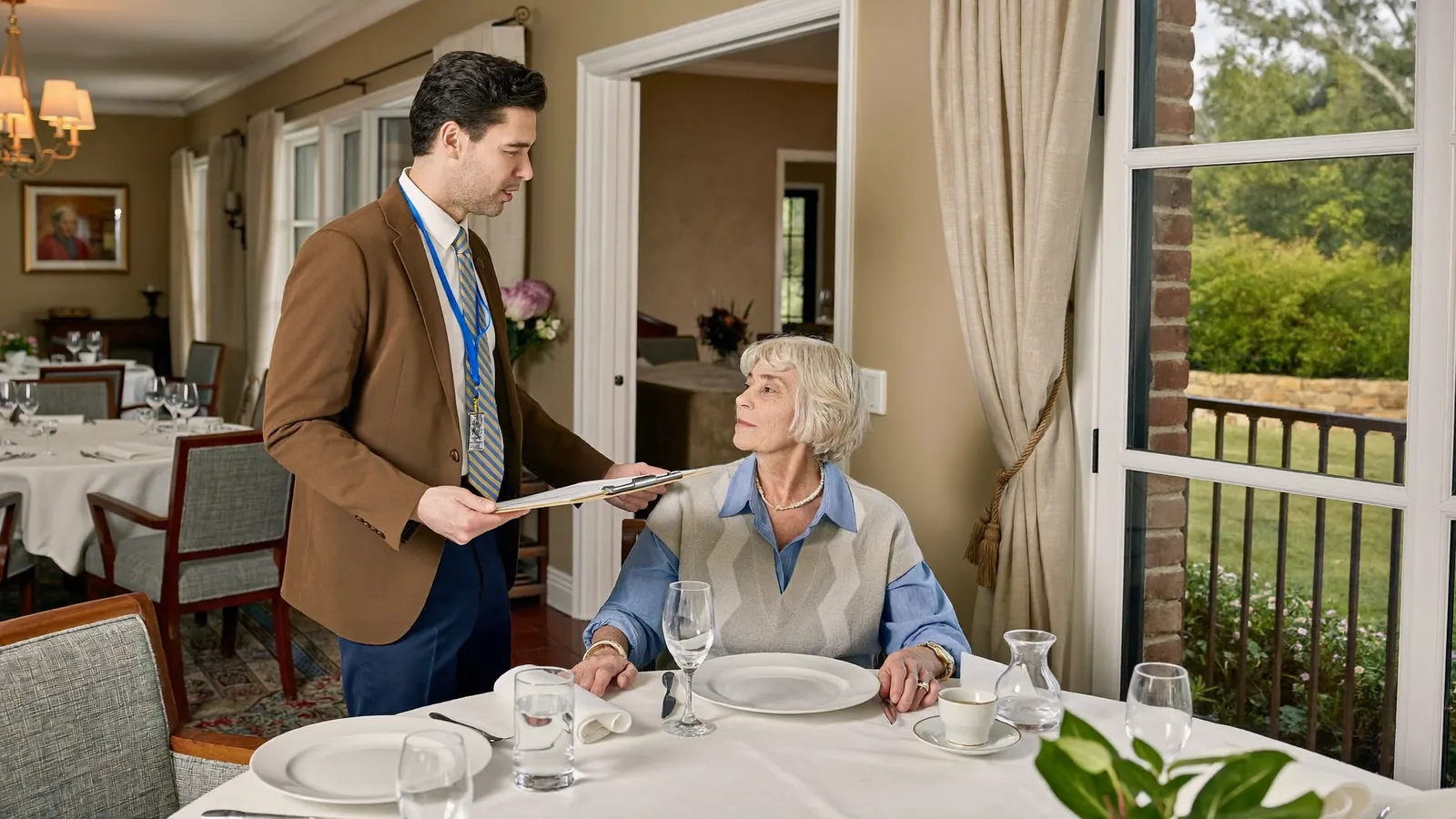
Senior living tours can be surprisingly polished. You’ll see friendly greetings, great-looking common areas, and a strong first impression. That’s not a bad thing, but it also means you need a plan if you want to understand how care really works day to day.
If you would rather tick this off on your phone or on paper, here is Questions to Ask on a Senior Living Tour, the printable version of this checklist. This guide gives you three tools you can use immediately:
- a tour scorecard to compare communities consistently,
- a printable checklist of questions (organized by category), and
a Colorado verification step to help you check licensing resources and complaint pathways.
Before you tour: get clear on the level of care you’re evaluating
Tours go better when you know whether you’re evaluating independent living, assisted living, memory care, or skilled nursing/rehab. The right questions are slightly different for each.
If you want quick Colorado-specific context before you tour, these pages can help you get oriented:
-
Independent Living: https://www.aboveandbeyondseniorliving.com/independent-living-placement-colorado
-
Assisted Living: https://www.aboveandbeyondseniorliving.com/assisted-living-placement-in-colorado
-
Memory Care: https://www.aboveandbeyondseniorliving.com/memory-care-placement-in-colorado
-
Skilled Nursing / Rehab: https://www.aboveandbeyondseniorliving.com/skilled-nursing-placement-colorado
-
If dementia is part of the picture, start here: https://www.aboveandbeyondseniorliving.com/dementia-101
Use this tour scorecard (so every tour is comparable)
After each tour, rate the community on the same criteria while your observations are fresh. A simple 1-5 score keeps decisions grounded, especially when you’ve toured more than one place.
Tour Scorecard (rate each item 1-5)
| Category | Score (1-5) | Notes to capture (examples) |
|---|---|---|
| Care assessments & reassessments | How care level is determined; how often reassessed; how changes are communicated | |
| Staffing responsiveness | Call response; staff tone; what evenings and weekends look like | |
| Medication process clarity | Reminders vs management; how changes or errors are handled; who you contact | |
| Safety & fall response | What happens after a fall; mobility and toileting support; emergency procedures | |
| Dementia readiness (if relevant) | Wander prevention; routines; staff training; behavior support | |
| Dining & nutrition support | Assistance at meals; dietary accommodations; hydration approach | |
| Communication with family | Point person; update frequency; care plan meetings | |
| Cost & contract clarity | What’s included; add-ons; rate increases; discharge criteria |
If you want more educational guides your family can share before tours, point them to-https://www.aboveandbeyondseniorliving.com/educational-resources
Printable checklist: questions to ask on a tour (by category)
Print tip: Copy this section into Notes/Google Docs and bring it with you. Use the same checklist for every tour and write answers verbatim when you can.
1) Care and assessments
- How is care level assessed at move-in, and how often is it reassessed?
- How do care increases happen (timeline, who decides, and how family is notified)?
- What services are included at each care level, and what costs extra?
- What are your discharge/transfer criteria, what triggers a move-out?
(AARP’s assisted living checklist specifically prompts you to confirm how levels of care are defined and who determines them in the contract.)AARP Assets
2) Staffing and responsiveness
- What does staffing look like in the evening, overnight, and on weekends?
- How do you handle urgent needs and escalation?
- What is the expected response time for call lights or urgent requests?
- Who is the supervisor on duty, and how do you reach them?
3) Medication support (get specific)
- What does “medication support” mean here (reminders vs administration/management)?
- Where are medications stored, and what safeguards prevent errors?
- How are medication changes communicated to family?
- What happens if a resident refuses medication or forgets repeatedly?
4) Safety and falls
- What happens after a fall (assessment, monitoring, and who is notified)?
- How do you support toileting safety and nighttime mobility?
- What is your protocol for elopement risk (leaving the building unsafely), if applicable?
- How do you handle emergencies, what gets handled in-house vs calling 911?
5) Dementia / memory care (if relevant)
- How do you prevent wandering or unsafe exits?
- What dementia-specific training do staff receive?
- How do you respond to anxiety, agitation, or sundowning?
- What does a typical day look like for someone at my loved one’s stage?
For a deeper dementia-focused “what to look for” guide, the Alzheimer’s Association provides a residential care community checklist and considerations. Alzheimer’s Association
6) Dining and nutrition
- Can you accommodate dietary needs (diabetes, allergies, texture needs)?
- How do you support hydration and monitor weight change?
- Can we observe a mealtime during the tour?
7) Costs and contract clarity (don’t skip this)
- What is included in the base rate? What costs extra?
- How do rate increases work, and how are families notified?
- Can we take a copy of the contract home to review before signing?
AARP’s checklist includes many contract “must-verify” prompts (services, levels of care, and what’s included).AARP Assets+1
8) Family communication and care planning
- Who is our point of contact for updates, and how often do you communicate?
- How do care plan meetings work, and who participates?
- How do you handle concerns or complaints, what’s the internal process?
If you’re touring a nursing facility (skilled nursing/rehab), Medicare offers a “Questions to Ask When You Visit a Nursing Home” checklist you can bring along. Medicare
If you want help narrowing options to a short list and coordinating tours in Colorado, start here:https://www.aboveandbeyondseniorliving.com/senior-placement-colorado
What to look for during the tour (not just what to ask)
Your best clues often show up between the scripted moments.
Notice how staff speak to residents in hallways, whether residents look engaged or isolated, and how calm (or chaotic) the environment feels. If possible, ask to see an activity in progress or observe a mealtime, because real-time context can reveal more than a brochure.
Also pay attention to “small” friction points: confusing layouts, strong odors, unanswered call lights, or staff who seem rushed or disengaged. One observation doesn’t tell the whole story, but patterns matter.
Colorado verification step (do this after tours)
After you’ve toured and you have finalists, add one quick verification step.
Colorado’s CDPHE provides Assisted Living Residence consumer resources that include ways to find and compare regulated facilities and information about filing complaints. CDPHE
If you need to report a concern, CDPHE states it accepts anonymous complaints, and notes that investigators don’t share your name unless you instruct them otherwise (with a caution that a facility may infer identity based on details). CDPHE
If you want a plain-language overview of resident rights in Colorado, the Colorado Ombudsman site lists key rights such as dignity, privacy, visitors, and the right to express grievances without retaliation. Colorado LTC Ombudsman
Two real-world examples (how the checklist changes outcomes)
Scenario 1: Assisted living tour exposes vague care increases and hidden add-ons
A family tours assisted living for a dad who needs medication support and help with bathing. The lobby is beautiful, and the salesperson is warm, but when the family asks, “How do care increases happen?” the answers stay vague. They also can’t get a clear explanation of what’s included versus add-on fees.
Using the checklist, the family asks for the reassessment process in writing and requests a copy of the contract to review at home. That single move helps them avoid selecting a place that felt good on tour but wasn’t transparent about care tiers and costs.
https://www.aboveandbeyondseniorliving.com/assisted-living-placement-in-colorado
Scenario 2: “Friendly assisted living” vs “structured memory care”
A mom has nighttime confusion and a wandering risk. Assisted living feels social and welcoming, but staff can’t clearly describe how exits are secured or how wandering is managed. In contrast, the memory care tour explains routine structure, supervision patterns, and what happens when behaviors escalate.
The family doesn’t choose memory care because it’s “better.” They choose it because the environment is built for the safety needs that show up on hard days.
Relevant Colorado pages: https://www.aboveandbeyondseniorliving.com/memory-care-placement-in-colorado and https://www.aboveandbeyondseniorliving.com/dementia-101
https://www.aboveandbeyondseniorliving.com/dementia-caregiver-support-groups-in-colorado
Common mistakes and red flags (what to avoid)
- Touring without knowing what level of care you’re actually evaluating
- Getting dazzled by amenities and skipping care-process questions
- Not asking about discharge criteria or what triggers a move-out
- Failing to request a copy of the contract to review at home
- Not asking what evenings/weekends staffing looks like
- Not observing anything in real time (meals, activities, hallway interactions)
Skipping the Colorado verification step (consumer resources + complaint pathways) CDPHE+1
Frequently asked questions
-
What questions matter most on a tour?
The highest-impact questions are about care assessments, how care increases happen, medication support details, safety/fall response, discharge criteria, and family communication.
-
How many communities should we tour?
Most families do well with 3-5, as long as they score each tour consistently using the same scorecard.
-
What if my parent refuses to tour?
Start with goals (safety, less burden, more support) rather than labels. A short-term stay or respite option can sometimes feel less intimidating as a first step. https://www.aboveandbeyondseniorliving.com/respite-care-short-term-stays-colorado
-
How do I verify a community in Colorado?
Use CDPHE’s assisted living residence consumer resources to find and compare facilities and learn complaint pathways. CDPHE
If you’d like help building a short list and planning tours statewide in Colorado, start here: https://www.aboveandbeyondseniorliving.com/senior-placement-colorado
Related guides
Related guides
Red Flags When Touring Assisted Living: What NOT to Overlook in Colorado Communities
Watch for call lights ringing unanswered, strong odors, residents left alone in rooms, vague answers about staffing or turnover, pricing that will not be put i...
Cory Strauch · 8 min read
How to Compare Senior Living Communities: A Simple Scorecard for Families
Score each community on care fit, staffing, cleanliness, food, activities, cost clarity, and how residents look and sound. Use the same one to five scale, fill...
Cory Strauch · 6 min read
10 Critical Questions to Ask Assisted Living Staff Beyond Your Tour
Talk to caregivers, not just the sales director. Ask how long they have worked there, how many residents they cover, how they handle a resident who refuses car...
Cory Strauch · 9 min read
Read next
The main page behind our touring and evaluating guides.
Continue with Touring and Evaluating