
10 Signs It's Time for Assisted Living in Colorado
 Cory Strauch, CADDCT, Assisted Living Administrator, QMAPLast updated September 2, 20268 min read
Watch for falls, weight loss, missed medications, unpaid bills, poor hygiene, driving worries, isolation, caregiver burnout, unsafe cooking, and repeat hospital visits. One sign is worth a conversation. Three or more usually means home is no longer safe. Assisted living adds daily support before the next emergency happens.
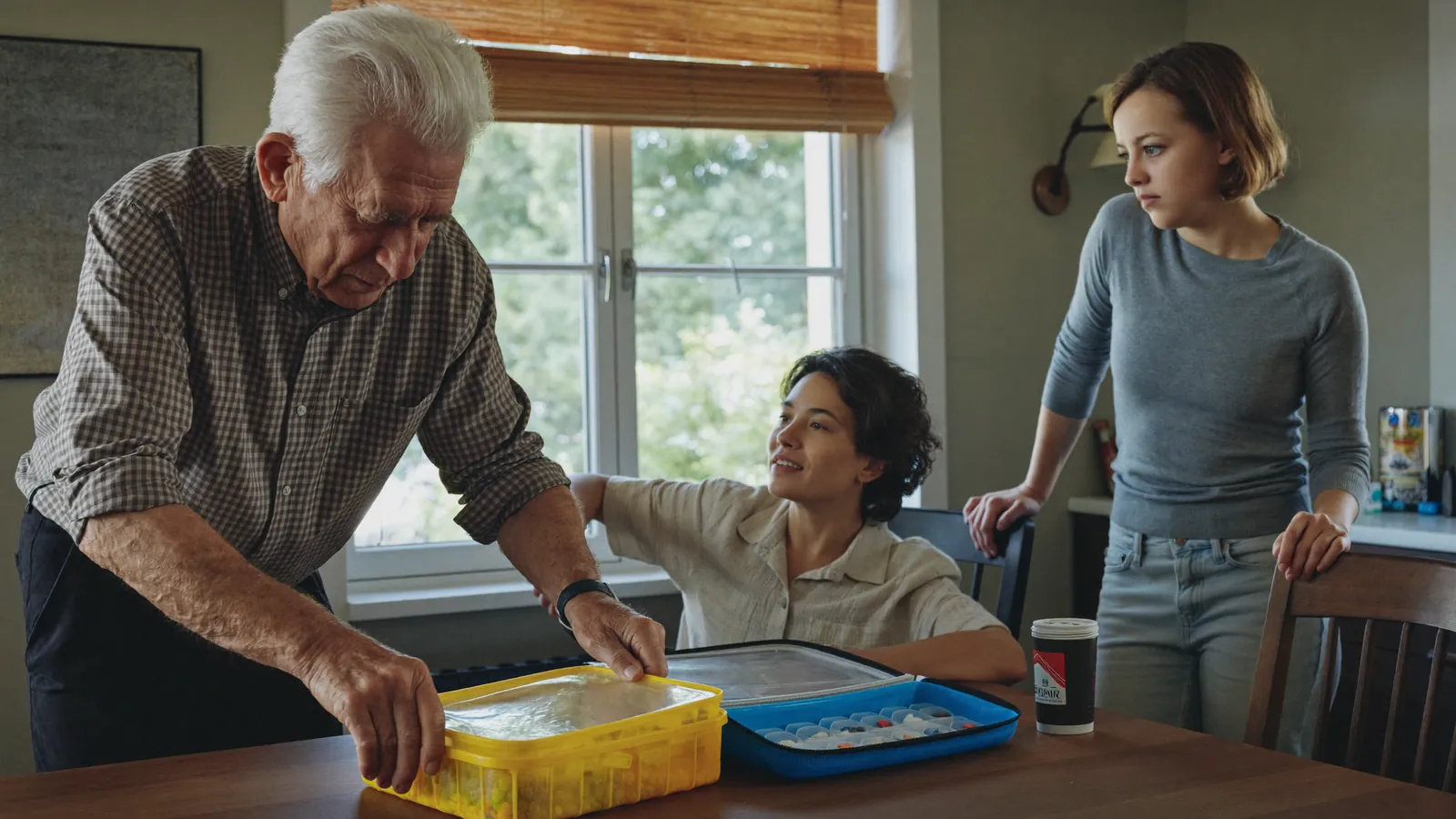
You're watching your parent struggle. You see the signs. But you're not sure if what you're noticing is serious enough to take action. It's one of the most common feelings families in Colorado share when they reach out to us. The question isn't whether you love them. It's whether their current situation is still safe.
Most families wait too long. Not because they don't care, but because the signs are easy to explain away one at a time. A fall here. A missed medication there. A skipped shower. It's only when you step back and look at the pattern that the picture becomes clear.
These 10 signs are the ones that consistently come up when Colorado families connect with our senior placement team. If several of these sound familiar, it's time to have an honest conversation about what comes next.
Are falls or walking problems getting worse?
Falls are the number one cause of injury-related death in adults over 65. One fall that results in a hospital stay is a major warning sign. Multiple falls, even minor ones, signal that the home environment may no longer be safe for independent living.
Watch for bruising the person can't explain, reluctance to walk without holding furniture, and difficulty getting up from chairs or the toilet. These aren't normal parts of aging. They're indicators that the level of physical support your loved one needs has changed.
Assisted living communities have staff available around the clock, non-slip flooring, grab bars, and emergency call systems designed specifically for this. If fall risk is a concern, the question isn't whether to act but how quickly. Learn more about assisted living placement options in Colorado or read our guide on the different levels of senior care to understand what level of support fits best.
Are pills being missed or doubled?
Missed doses. Double doses. Expired medications mixed in with current prescriptions. Pill organizers ignored or filled incorrectly. Medication errors are one of the clearest and most dangerous signs that someone needs more daily support.
For seniors managing multiple prescriptions, especially those for heart conditions, diabetes, or seizures, a single missed or doubled dose can trigger a medical crisis. If you've discovered your parent isn't taking their medications correctly, this isn't a minor issue.
Assisted living communities provide medication management as a standard service. Staff handle scheduling, dispensing, and tracking. It removes a significant burden from your parent and eliminates one of the most common causes of emergency hospitalizations in older adults. Our post on hospital discharge planning for seniors in Colorado covers what happens when medication errors lead to hospitalization and what families can do.
Has personal hygiene slipped?
When someone who has always kept themselves neat and clean stops bathing regularly, stops brushing their teeth, or wears the same clothes for days, it usually signals something deeper than laziness. Depression, early cognitive decline, physical pain, and fear of falling in the shower are all common causes.
This sign is one families often minimize because it feels like a personal issue. But hygiene decline directly affects health. Skin infections, dental issues, and urinary tract infections are all more common when personal care lapses.
If your parent resists your help, that resistance often softens when care is offered by trained staff in a non-family setting. Many families are surprised that their parent accepts assistance more gracefully from a professional caregiver than from a son or daughter. Our guide on what to do when a parent refuses assisted living covers this dynamic in detail.
Is the home still safe?
Stove burners left on. Doors left unlocked overnight. Expired food in the refrigerator. Piles of mail and trash accumulating. Candles burning unattended. These are the signs that someone is losing the ability to manage their environment safely.
Home safety concerns are particularly urgent when the person lives alone. There's no one there to catch the mistake before it becomes an emergency. If you've done a home visit and found evidence of these issues, the risk of a serious accident is real and growing.
This is one of the most common reasons families in Colorado reach out to a senior placement advisor. We help families understand whether the situation calls for in-home support, assisted living, or something in between. Read our comparison of assisted living vs. in-home care in Colorado to understand the key differences.
Has your parent pulled away from people?
Isolation is a genuine health risk for older adults. Chronic loneliness is linked to cognitive decline, depression, cardiovascular disease, and a significantly shorter lifespan. When a formerly social person stops calling friends, declines family invitations, and spends most of their time alone in front of a television, it's a sign that something has shifted.
The reasons for withdrawal vary. It may be depression, mobility issues, embarrassment over cognitive changes, or incontinence. But the effect is the same. Without human connection and mental stimulation, decline accelerates.
A well-matched assisted living community can reverse this trajectory. Structured activities, shared meals, and a built-in community of peers often produce a remarkable turnaround. Families frequently tell us their parent became more like themselves again within weeks of moving. If you're weighing this transition, our guide on how to choose senior living in Colorado is a useful starting point.
Is weight loss or poor eating a problem?
Significant unexplained weight loss, an empty or spoiled refrigerator, or a parent who admits they're not eating much are serious warning signs. Poor nutrition accelerates every other health problem and is a direct contributor to cognitive decline.
Cooking can become difficult for many reasons: fatigue, pain, cognitive decline, depression, and the simple reality that cooking for one feels pointless. The result is a diet of crackers, cereal, and whatever requires no effort, none of which provides adequate nutrition for an aging body.
Assisted living communities provide three prepared meals daily plus snacks. Residents eat together in a dining room, and the social aspect of shared meals is a major quality-of-life upgrade. If cost is a concern, our article on affordable assisted living in Colorado breaks down the real numbers.
Are you burning out as the caregiver?
This one is about you, not just your parent. If you're exhausted, anxious about phone calls, lying awake worrying, or canceling your own obligations to provide care, that's a sign the situation has outgrown what family caregiving alone can handle.
Caregiver burnout is one of the leading reasons families delay seeking help and one of the most underrecognized warning signs that more support is needed. Family caregivers provide an extraordinary amount of care, but they're not medical professionals and they can't be on call 24 hours a day indefinitely.
Recognizing your own limits isn't giving up. It's making a decision that protects both you and your loved one. If you need a temporary solution while you figure out the long-term plan, our respite care placement service can help you find short-term options quickly. Our post on when respite care makes sense for Colorado families covers this in depth.
Are health conditions getting worse?
When chronic conditions like COPD, congestive heart failure, Parkinson's disease, or diabetes begin to progress, the level of care needed can change quickly. What required a weekly check-in six months ago may now require daily monitoring and professional support.
The risk is highest during transitions: after hospital stays, after falls, and after any significant health event. These are the moments when families often realize their current setup is no longer adequate. If you're in that moment right now, urgency is real and speed matters.
Our post on post-hospital care options in Colorado walks through the different levels of care and what each one is designed to provide. For medically complex situations, our team can also help with skilled nursing placement in Colorado.
Are memory changes affecting daily life?
There's a meaningful difference between normal age-related forgetfulness and cognitive changes that affect safety and daily functioning. Getting lost driving a familiar route. Forgetting to turn off the stove multiple times. Struggling to manage finances. Becoming confused about time, day, or location. These changes go beyond normal aging.
Not every cognitive change means dementia. But any change that creates safety concerns, financial vulnerability, or an inability to manage basic daily tasks warrants a conversation with a doctor and a serious look at what level of support is needed.
Depending on the diagnosis, the right placement may be assisted living, a memory care community, or both in sequence. Our guides on assisted living vs. memory care in Colorado and how to choose the right level of care are both useful here. Our team can help you navigate memory care placement in Colorado when you're ready.
Have there been repeat hospital or ER visits?
A pattern of hospitalizations or ER visits is one of the clearest signals that someone's care needs have exceeded what their current situation can support. Each hospitalization carries its own risks, including hospital-acquired infections, delirium in older adults, and the difficult recovery that follows.
Families often feel like they're managing the crisis in front of them without addressing the underlying cause. The hospitalization gets treated. The person goes home. Weeks later, it happens again. The cycle is exhausting, expensive, and often avoidable with the right level of daily support in place.
If your parent has been hospitalized two or more times in the past year, that pattern is telling you something. Our post on hospital discharge checklists for Colorado seniors helps families use those moments to finally make a lasting change.
What should you do next?
Recognizing these signs is the hardest part for most families. Taking action is what comes next. You don't have to figure out the details alone, and you don't have to do it all at once.
At Above & Beyond Senior Living, we help Colorado families understand their options, narrow down the right communities, and navigate every step from first call to move-in. Our service is completely free to families. The communities pay our fee, which means you get expert guidance without any added cost.
If several of these signs resonated, a 20-minute conversation with our team is a natural next step. We'll listen first and help you figure out what the right move looks like for your specific situation. Reach out to schedule a free consultation or learn more about how our senior placement service works in Colorado.
Related guides
- How to Choose Senior Living in Colorado: A Step-by-Step Guide for Families
- Independent Living in Colorado: Costs, Amenities, and How to Know You're Ready
- Independent Living vs Assisted Living in Colorado: How to Choose the Right Fit
- More guides on choosing care
- Find the right level of care in 8 questions
Related guides
Independent Living in Colorado: Costs, Amenities, and How to Know You're Ready
Independent living in Colorado usually runs about 2,500 to 5,000 dollars a month for an apartment, meals, activities, and maintenance. It fits older adults who...
Cory Strauch · 7 min read
What Is a CCRC? Continuous Care Retirement Communities in Colorado Explained
A CCRC is one campus offering independent living, assisted living, memory care, and skilled nursing, so a resident can change levels without leaving. Entry fee...
Cory Strauch · 12 min read
Assisted Living vs. In-Home Care in Colorado: Which Is Best for Your Loved One?
In-home care works when needs are a few hours a day and the house is safe. Assisted living works when supervision, meals, medications, and social contact are n...
Cory Strauch · 4 min read
Read next
The main page behind our choosing care guides.
Continue with Choosing Care