
When a Parent Refuses Assisted Living: What to Do (Without Turning It Into a Fight)
 Cory Strauch, CADDCT, Assisted Living Administrator, QMAPLast updated September 2, 20268 min read
Resistance is usually about control and identity, not facts. Stop arguing about risk, name one specific problem, and offer a small next step like lunch at one community or a short respite stay. Involve a doctor or trusted friend, and keep your parent in every choice you can.
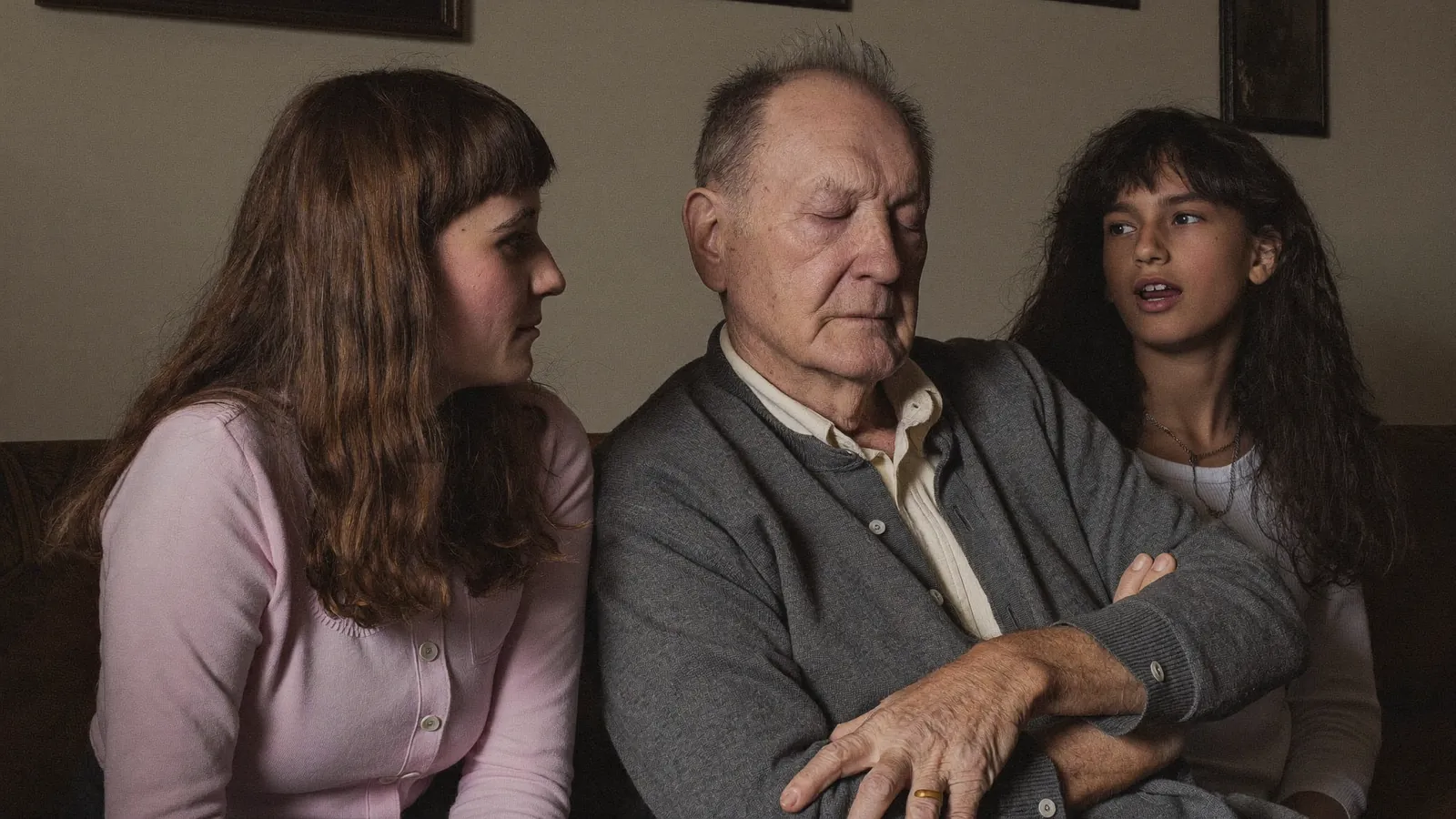
If you’re here, you’ve probably tried the “logical” approach already: explaining risks, listing options, even begging. And it still ends with, “I’m not going.”
That doesn’t mean you’re stuck. Resistance usually isn’t about the facts, it’s about control, identity, fear, and change. The goal isn’t to “win” the argument. The goal is to make progress without destroying trust, while still protecting safety.
This guide is educational (not medical or legal advice). Use it to plan your next steps, choose language that lowers defensiveness, and recognize when safety requires you to escalate support.
Why parents resist help (and what they’re really saying)
A parent refusing assisted living is often saying one of these things underneath the words:
They’re afraid of losing independence. AARP recommends staying calm, listening carefully, and showing you’re trying to help them accomplish their goals, not impose yours. AARP
They’re embarrassed. Admitting they need help can feel like admitting they’re “failing.”
They’re afraid of cost. Many people assume help automatically means “expensive” or “out of reach.”
They’re grieving. Even the idea of a move can feel like a loss of home, routine, and status.
If cognition changes are involved, they may genuinely not recognize the problem. In those cases, debating “reality” can backfire, communication strategy matters even more. National Institute on Aging+1
Start with “needs signals”: are you in preference or risk?
The National Institute on Aging notes it isn’t always clear when someone needs help, sometimes an emergency or illness makes it obvious; other times people may not want to worry family or admit they’re struggling. National Institute on Aging
A simple way to frame the situation is:
- Preference: “This is hard, but they’re basically safe.”
- Risk: “This is becoming unsafe, even if they disagree.”
Safety checklist: signals that usually mean you should escalate support
If you’re seeing several of these, your next step should focus on safety stabilization, not persuasion.
- Falls or near-falls (especially repeated)
- Missed meds, double-dosing, or confusion about medications
- Leaving stove/oven on, smoking hazards, unsafe space heaters
- Getting lost, wandering, unsafe exits (especially if dementia is suspected)
- Noticeable weight loss, dehydration, spoiled food, skipped meals
- Unsafe driving incidents or getting confused while driving
- Personal hygiene decline that creates health risk
- Caregiver burnout reaching an unsafe level (you cannot sustainably provide constant supervision)
If dementia may be involved, dementia-specific caregiving guidance emphasizes calm reassurance, respecting personal space, keeping familiar objects around, and maintaining routine, these strategies often reduce conflict and improve cooperation. Alzheimers.gov+1
If they refuse assisted living, what can we try next?
This is where many families get unstuck: instead of “assisted living or nothing,” you build an option ladder, starting with the smallest change that improves safety.
Options matrix (use this to pick the lowest-friction next step)
| Option | Best fit when… | Pros | Limitations | What to try first (low-friction) | Internal page |
|---|---|---|---|---|---|
| In-home support (light help) | Housework, meals, or rides are the main issues | Feels less threatening | May not solve safety or ADL needs | Housekeeper once per week or meal support | (Educational resources hub if needed) |
| In-home support (personal care) | Bathing, dressing, or toileting support is needed | Can be a bridge before a move | Coordination can be complex | Two-week trial at set times | , |
| Independent living | Loneliness, meals, and maintenance are issues (not heavy care) | More independence-feeling | Not designed for complex care | Let’s tour just to see what it’s like | /independent-living-placement-colorado |
| Assisted living | ADLs, meds, or safety support needed but not intensive medical care | More day-to-day support | Still a big emotional leap | Respite or short stay trial or tour plus lunch | /assisted-living-placement-in-colorado |
| Memory care | Supervision, wandering, night confusion, or cognitive safety risks | Structured routine and safety design | Higher intensity, more transition | Tour to understand safety setup | /memory-care-placement-in-colorado |
| Respite / short-term stay | Crisis stabilization or trial period | Lower commitment than a move | Availability varies | Two-week reset while we plan | /respite-care-short-term-stays-colorado |
If you want help clarifying the right level of care and building a short list in Colorado, start here: /senior-placement-colorado
How to talk so they don’t dig in deeper (scripts that work)
AARP’s guidance on resisting help emphasizes listening to concerns, staying calm, and framing help as supporting their goals (not taking over). AARP+1
The simplest script framework is:
1) Observe (facts, not accusations)
Use concrete examples, not labels.
- “I noticed you fell twice this month.”
- “You missed your medication refill last week.”
2) Align (with their values)
Name what they care about.
- “I know staying independent matters to you.”
- “I want you to stay in control of your routine.”
3) Offer two choices (both acceptable)
Choices reduce defensiveness.
- “Would you rather try help twice a week, or meals + rides first?”
- “Do you want to tour one place just to gather info, or try a short stay first?”
Copy/paste scripts you can use
- “I’m worried about X. What would feel like the least disruptive help?”
- “Let’s do a two-week trial, then we reassess together.”
- “You don’t have to decide today. Can we agree to one next step?”
What NOT to say (it usually escalates)
- “You can’t live alone anymore.” (too global)
- “You’re not safe.” (without specific examples)
- “We’re doing this whether you like it or not.” (unless safety is truly urgent)
If dementia is involved, the NIA’s communication guidance emphasizes warm tone, eye contact, calling the person by name, and staying open to their concerns, even when hard to address. National Institute on Aging
If dementia may be involved: adjust the strategy (don’t debate reality)
When memory changes are driving resistance, “convincing” often fails because the person may not recognize the need. In those moments, your job is to reduce distress and friction.
Alzheimers.gov caregiver tips emphasize staying calm, reassuring the person, allowing as much control as possible, keeping familiar objects around, and building quiet times into the day. Alzheimers.gov
The Alzheimer’s Society also notes that denial can be rooted in fear and that it may take time; approaching gently and supportively often works better than pressing. Alzheimer's Society
Helpful internal resources if this is your situation:
- Dementia basics: /dementia-101
- Caregiver support groups: /dementia-caregiver-support-groups-in-colorado
“Start small” tactics that often unlock agreement
These are not tricks, they’re ways to preserve dignity while improving safety.
Start with convenience. “Someone to help with laundry and groceries” feels easier than “care.”
Rename the help. “Helper” or “housekeeper” can reduce stigma more than “caregiver.”
Anchor to their goals. “This helps you stay at home longer” is usually better than “you can’t manage.”
Use a trial. AARP’s guidance on noncompliance/refusing care supports using strategies that reduce frustration and resentment, small steps often beat repeated arguments. AARP
If you’re exploring in-home supports, NIA also has a practical overview of services for older adults living at home and how families can find help. National Institute on Aging
Family alignment plan (30 minutes that prevents months of conflict)
If siblings disagree, your parent will sense it, and resistance usually increases. This quick structure helps.
30-minute family meeting agenda
- Share facts only (falls, meds, wandering incidents, etc.)
- Agree on non-negotiables (e.g., no driving, meds must be managed, nighttime safety)
- Pick the next step (trial support, tour, respite stay)
- Assign roles (who talks to parent, who schedules tours, who handles paperwork)
- Agree on one message (no “good cop / bad cop”)
When refusal becomes unsafe (and what to do then)
This is the hardest part: adults have the right to make decisions you disagree with, as long as they have capacity. If you believe risk is imminent, consider these high-level steps:
- Ask the primary care clinician for an evaluation and documented guidance.
- Involve a hospital case manager or social worker after a fall/hospitalization.
- If legal decision-making questions arise, consult an elder law attorney in your state.
If cognitive decline is a concern, the Alzheimer’s Association also has practical guidance on how to approach memory concerns step-by-step (useful for planning conversations and next steps). Alzheimer’s Association
Two real-world examples
Scenario 1: “I’m not going anywhere” + repeated falls
Dad refuses assisted living. He insists he’s fine, but he’s had multiple near-falls and one fall that scared you.
Instead of leading with “assisted living,” you use the safety checklist to define the risk. Then you offer two choices that preserve autonomy: a two-week in-home help trial or a short-term respite stay while everyone resets and plans. Once he experiences help without shame, a tour becomes less threatening.
- Assisted living: /assisted-living-placement-in-colorado
- Respite/short-term stay: /respite-care-short-term-stays-colorado
Scenario 2: Night confusion + wandering risk
Mom is increasingly confused in the evenings and has tried to leave the house at night. She refuses any move and says, “Stop treating me like a child.”
Here, debating facts usually escalates. You shift the goal: reduce distress and improve safety. You use calmer routines, familiar cues, and simpler choices (aligned with dementia communication guidance), while planning a memory care tour focused on safety design and supervision.
Relevant internal links:
- Memory care: /memory-care-placement-in-colorado
- Dementia basics: /dementia-101
- Support groups: /dementia-caregiver-support-groups-in-colorado
Common mistakes and red flags
- Arguing facts instead of aligning with values and goals AARP
- Giving one “big” option (“assisted living”) instead of two smaller choices
- Waiting for a crisis to force a rushed decision (fewer options, more conflict) National Institute on Aging
- Siblings sending mixed messages (resistance increases)
- Trying to “win” instead of reducing friction
- If dementia is involved: correcting, testing memory, or debating reality instead of using calm, supportive communication National Institute on Aging+1
Frequently Asked Questions
-
What if my parent refuses all help but clearly isn’t safe?
Start by documenting specific safety incidents and asking a clinician for guidance. Use small-step trials (in-home help or respite) to stabilize risk while preserving dignity. National Institute on Aging+1
-
How do I talk to a parent who denies problems?
Use concrete observations, align with their goals, and offer choices. When cognition changes may be involved, keep tone calm and avoid debates about reality. AARP+2National Institute on Aging+2
-
When is assisted living the right level?
Often when help with daily tasks and medication support is needed consistently, but the person doesn’t require ongoing skilled nursing-level care. (A local assessment will clarify fit.)
-
When is memory care safer?
When supervision and cognitive safety risks (wandering, unsafe exits, severe night confusion) are primary concerns and the environment needs to be designed around them. Alzheimers.gov+1
-
Can respite/short-term stays help as a “trial”?
Yes, many families find a short-term stay reduces pressure and creates time to plan without constant conflict.
If you want help clarifying the safest next step and building a Colorado short list your family can actually act on, start here: /senior-placement-colorado
Related guides
Related guides
How Senior Placement Works in Colorado: What a Senior Placement Advisor Does From First Call to Move-In
Senior placement starts with a call about needs, budget, and timing. The advisor assesses care level, builds a short list of realistic communities, arranges to...
Cory Strauch · 10 min read
What to Expect During the First Senior Placement Consultation
The first consultation is a practical conversation, not a sales pitch. Expect questions about medical needs, memory, mobility, medications, budget, location, a...
Cory Strauch · 9 min read
What to Gather Before Your First Senior Placement Call
Bring a current medication list, recent diagnoses, mobility and memory notes, the help needed with bathing and dressing, monthly income and assets, veteran sta...
Cory Strauch · 10 min read
Read next
The main page behind our working with an advisor guides.
Continue with Working With an Advisor