
What If Your Loved One Won’t Talk to a Senior Placement Advisor Yet?
 Cory Strauch, CADDCT, Assisted Living Administrator, QMAPLast updated September 2, 20264 min read
You can still get help. Advisors work with the family first, gather facts, and prepare options without involving your parent. Keep early conversations about specific problems like meals or driving, invite one small visit, and let trust build. Nothing is signed without your parent when they hold decision rights.
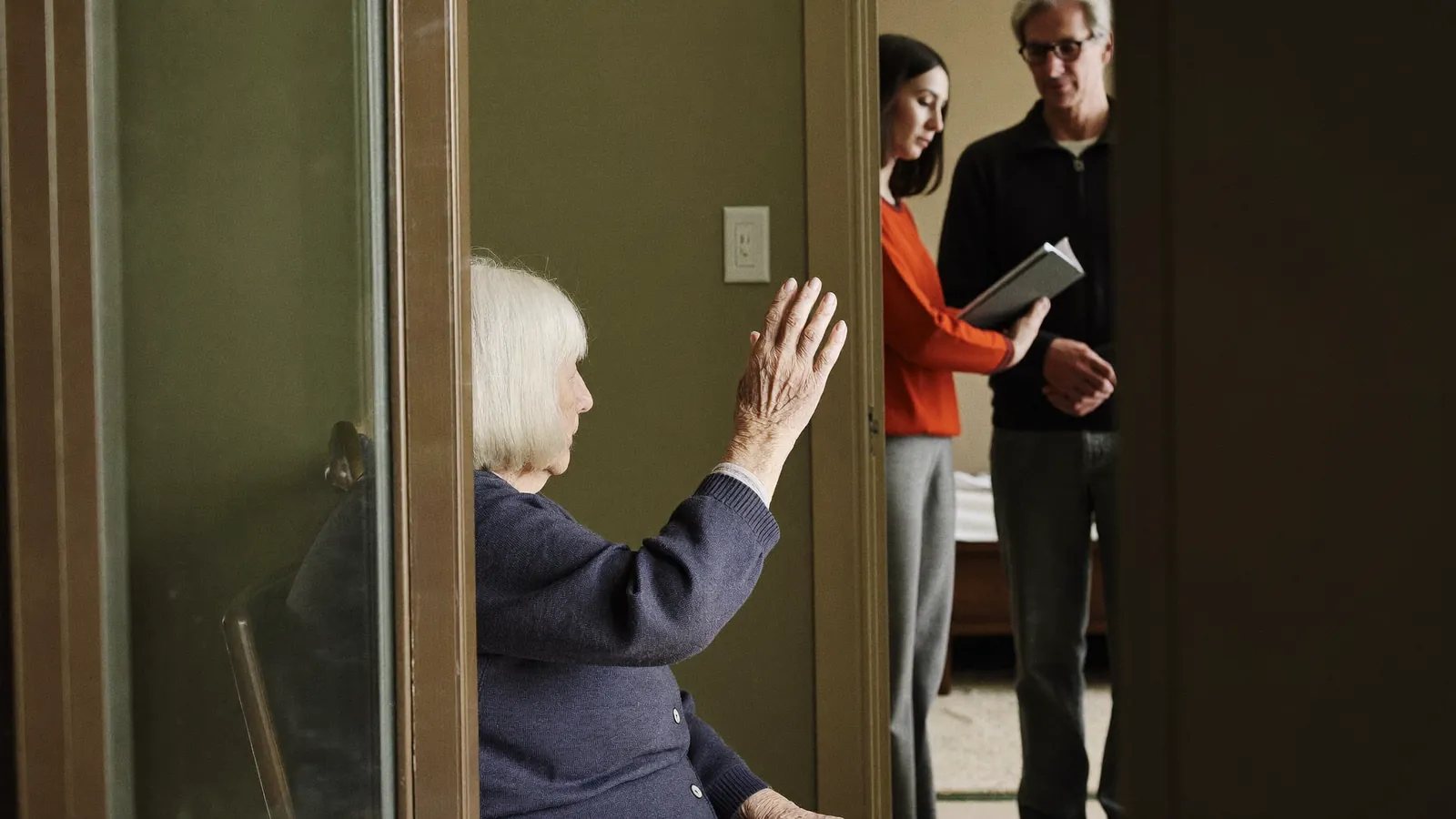
It’s common for families to feel stuck before the process even begins. A loved one may not be ready to speak with an advisor, may avoid the topic entirely, or may not see the need for change yet.
This does not mean the process has to stop. It means the approach needs to adjust. You can still gather information, prepare next steps, and move forward carefully without forcing a conversation too early.
If you want to understand how the process works in Colorado before involving your loved one, start here: Senior Placement Colorado.
Can you start senior placement without your loved one’s involvement?
Yes. In many cases, the process begins with the family, not the individual.
Early conversations are often about understanding options, timelines, and likely next steps. These discussions can happen without requiring your loved one to participate immediately.
Starting this way allows you to become more informed and better prepared before introducing the topic more directly.
Why do loved ones resist talking to placement advisors?
Resistance is usually not about the advisor. It is about what the conversation represents.
Common reasons include:
- fear of losing independence
- discomfort with change
- misunderstanding what senior living actually involves
- feeling overwhelmed or pressured
- denial about current challenges
Understanding the reason behind the resistance helps guide a more effective approach.
What should families do first if their loved one isn’t ready?
Start by focusing on preparation, not persuasion.
That means:
- learning what options exist
- understanding likely care needs
- identifying early warning signs
- clarifying family priorities
This approach keeps progress moving without creating unnecessary conflict.
How can families introduce the idea gradually?
A gradual approach is usually more effective than a direct push.
Instead of focusing on “moving,” start with conversations about support, safety, or daily challenges. This can make the topic feel less threatening and more practical.
What role can a placement advisor play at this stage?
Even without direct involvement, an advisor can help the family prepare.
That may include:
- explaining options and care levels
- helping identify realistic next steps
- clarifying what signs indicate it’s time to act
- guiding how to approach conversations
This allows the family to move forward without forcing participation too early.
| Situation | What families often try | What works better | Why it helps |
|---|---|---|---|
| Loved one avoids the topic | Pushing for immediate decisions | Starting with small, practical conversations | Reduces resistance |
| Fear of losing independence | Explaining everything at once | Focusing on support, not loss | Makes discussion safer |
| Denial about needs | Presenting evidence directly | Observing patterns over time | Avoids confrontation |
| Family urgency | Forcing quick action | Preparing quietly first | Creates better timing |
What can families do while waiting for readiness?
Progress does not have to stop. You can continue building clarity behind the scenes.
Preparation checklist
- gather basic information about care needs
- explore local senior living options
- understand budget boundaries
- identify potential timelines
- align family members on priorities
- track changes in daily function or safety
- prepare questions for future conversations
- keep notes organized for easy reference
- avoid overwhelming your loved one with too much information
- stay patient while continuing to prepare
This keeps the process moving without increasing pressure.
What does this look like in real life?
Example 1: Preparing without pressure
A daughter in Boulder notices increasing memory issues but her mother refuses to discuss senior living. Instead of pushing, she gathers information, speaks with an advisor, and prepares a plan.
When the conversation becomes unavoidable later, she is ready with clear options instead of starting from scratch.
Example 2: Pushing too early creates resistance
A son in Denver insists on immediate discussions about moving. His father becomes defensive and avoids the topic entirely.
The process stalls, not because help is unavailable, but because timing and approach were misaligned.
What mistakes do families make in this situation?
Common mistakes and red flags
- pushing for decisions before readiness
- framing the conversation as a loss instead of support
- overwhelming the loved one with information
- waiting passively without preparing
- avoiding the topic completely instead of easing into it
- assuming resistance means the process cannot start
- treating timing as all-or-nothing
- not aligning family members first
- reacting emotionally instead of strategically
- expecting immediate agreement
A better approach balances preparation with patience.
How do you know when it’s time to involve your loved one?
Look for changes that affect safety, consistency, or daily functioning.
These signals often indicate that the conversation needs to shift from preparation to action.
Even then, the goal is not to force agreement. It is to move forward in a way that respects both safety and dignity.
If you want help preparing for this stage and knowing when to move forward, Contact us.
Related guides
Related guides
Senior Placement for Siblings: How to Make Decisions Without Stalling the Search
Give each sibling a clear role: one lead contact, one finance person, one for records. Agree on the top three priorities before touring, use the same scorecard...
Cory Strauch · 4 min read
Is It Too Early to Contact a Senior Placement Advisor?
It is almost never too early. Early calls are free, carry no obligation, and give you a care level view, a budget range, and a short list before a crisis force...
Cory Strauch · 6 min read
Can a Senior Placement Advisor Help If You Already Found Communities Online?
Yes, an advisor still helps. Online research shows which communities exist, not which ones have openings, accept the care level, or price honestly. An advisor...
Cory Strauch · 10 min read
Read next
The main page behind our working with an advisor guides.
Continue with Working With an Advisor