
Early Signs of Dementia in Aging Parents: What Colorado Families Should Watch For
 Cory Strauch, CADDCT, Assisted Living Administrator, QMAPLast updated September 2, 202610 min read
Early dementia often shows up as repeated questions, missed bills, misplaced items, trouble with familiar routes, word finding pauses, poor judgment, and withdrawal from hobbies. Normal aging slows recall but keeps function. When daily tasks start failing, ask for a medical evaluation and begin planning care.
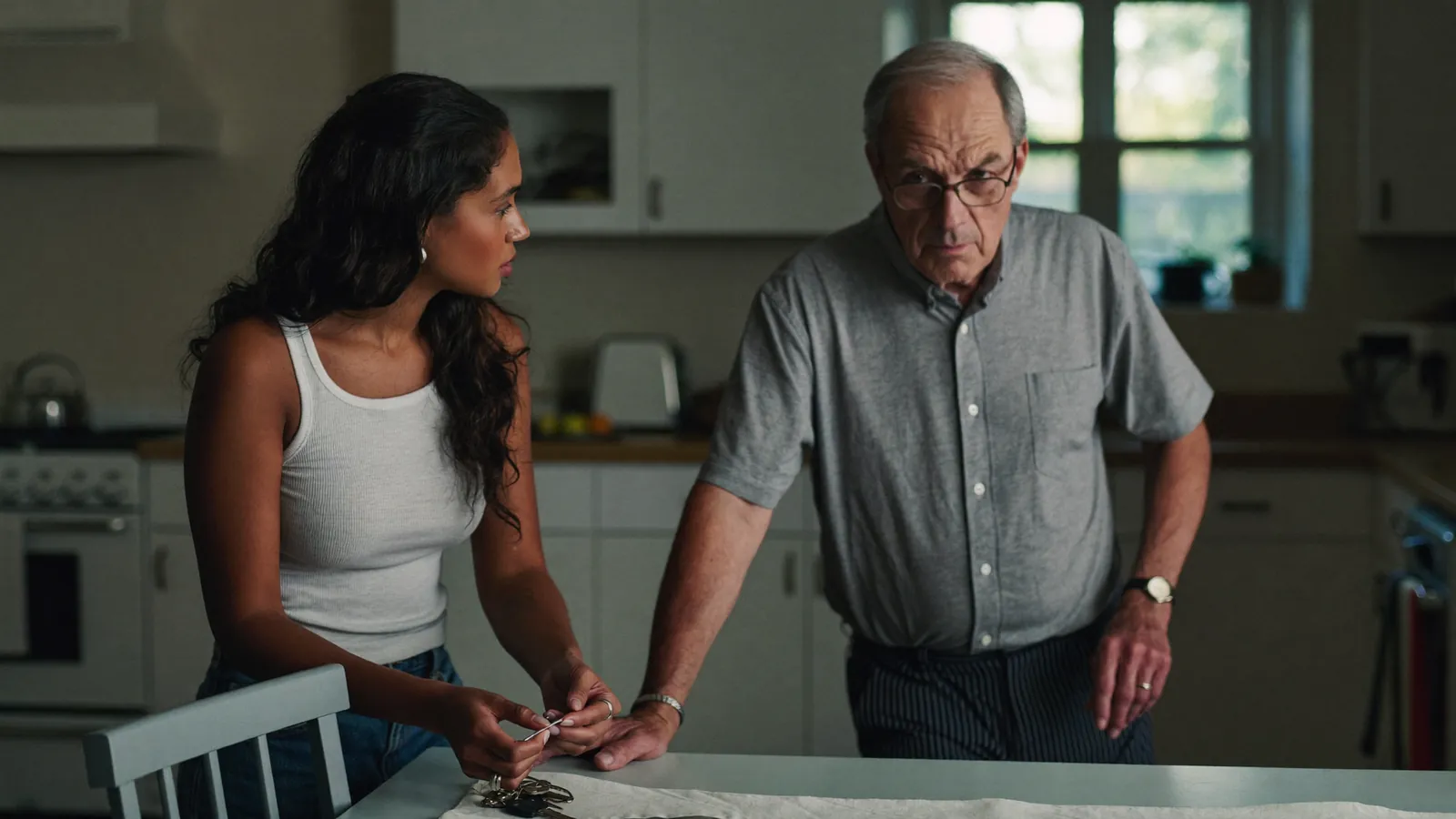
You started noticing little things. A missed appointment. The same story told twice in one phone call. A bill paid late by someone who has never paid a bill late in her life. None of it feels like an emergency, but it adds up, and now you are quietly wondering whether something bigger is happening.
Most families we work with at Above & Beyond Senior Living describe almost exactly that experience before they say the word dementia out loud. The hardest part of catching dementia early is that the earliest signs look a lot like normal aging, until they do not. Knowing the difference helps you make calmer, faster decisions while your parent still has the most options.
This guide walks through the early signs of dementia we see most often in Colorado families, what each one actually means, and the practical next steps that protect your parent's dignity and safety at the same time.
What memory changes disrupt daily life?
Forgetting where you put your keys is normal. Forgetting what keys are for is not. The earliest memory shift families notice is usually short-term memory loss that affects something that used to be automatic, like taking medications on time, paying recurring bills, or remembering a conversation from earlier that morning.
The cleanest test is repetition. If your mom tells you the same story three times in one visit, and she is genuinely telling it like the first time, that is a different signal than simply being forgetful. The same applies to questions. Asking "when are you coming?" five times in an hour suggests the new information is not landing.
You may also notice your parent leaning on notes, sticky reminders, or asking you to "just keep track of it for me." A few notes are fine. An apartment papered with reminders for things she used to handle effortlessly is worth paying attention to.
If memory changes are starting to affect safety, finances, or daily routines, our Dementia 101 class for Colorado families walks through what is normal aging versus what deserves a doctor's visit.
Why do familiar tasks get hard?
Dementia often shows up in tasks that used to be effortless. A retired engineer who can no longer follow a casserole recipe she made every Thanksgiving. A lifelong banker who cannot reconcile her checkbook. A grandfather who suddenly cannot work the TV remote he has used for ten years.
The pattern matters more than any single moment. Everyone has a bad day in the kitchen. What we listen for is a steady drift across categories: cooking, cleaning, dressing, driving, technology, money. When several of those start to slip at the same time, that is a stronger signal than one rough afternoon.
This is also where caregivers usually feel the first wave of guilt. You catch yourself doing things for your parent that you used to ask her advice on. That role reversal is real. It is also one of the clearest indicators that something has shifted, and that you are not imagining it.
What does confusion with time, place, or people look like?
Time and place confusion can be subtle in early dementia. Your dad shows up to a 10 a.m. appointment at 7 a.m. Your mom calls you from the grocery store she has been going to for twenty years and says she cannot find her car. She mentions a "cousin" who is actually her sister. None of these are end-of-the-world moments by themselves, but they tell you something about how the brain is mapping reality.
Getting lost in familiar places is one of the most concerning early signs because it often pairs with a safety risk. Driving is the most common example. If your parent has gotten turned around in her own neighborhood, or has come home and cannot remember the drive, that is a conversation to have sooner rather than later.
For families noticing these shifts, our blog on assisted living vs memory care in Colorado explains how confusion-related symptoms affect the level of care your parent will actually need.
What word and speech changes show up?
Healthy aging includes the occasional "what's that word, it's on the tip of my tongue." Early dementia looks different. Your parent might pause in the middle of a sentence and not finish it, substitute a wrong word (calling a watch a "hand-clock"), or repeat herself in the same paragraph.
You may also notice a shift in how your parent participates in conversations. People who used to lead the table at dinner start sitting back. Phone calls get shorter. She might excuse herself from a group because keeping up has gotten genuinely hard. None of these are character changes. They are protective behaviors that quietly tell you it is taking more energy to hold a normal conversation.
If your parent has always loved language and is now noticeably guarding her speech, that is worth gentle attention.
How does judgment change with dementia?
This is the sign that often surfaces through finances, and the one adult children miss until it is loud. Your parent sends money to a "grandson in jail" she has never had. She signs up for three new credit cards. She gives away savings to a caller who sounded very nice. She pays the same bill twice in the same month.
Judgment changes can also show up in clothing choices, like wearing a heavy coat on an 80-degree Denver day, or forgetting to wear a coat at all in February. Hygiene is another quiet one. A parent who used to be meticulous may start skipping showers, wearing the same outfit several days in a row, or showing up to church looking unlike herself.
If you are worried about financial vulnerability or scam exposure, this is a season where it helps to talk to a senior placement advisor before a crisis forces faster, harder decisions.
Why does a parent pull away from activities and friends?
Watch the calendar. Is your mom still going to her Wednesday Bible study? Is your dad still meeting his coffee group? Has the woman who hosted every holiday quietly stopped offering? Withdrawal is one of the earliest signs of dementia and one of the most heartbreaking, because it looks like depression and sometimes overlaps with it.
The reason matters. Many people pull back not because they have lost interest but because the activity has gotten exhausting. Remembering names, following conversations, navigating the drive, finding the right outfit, all of it adds up. Stepping back protects them from getting overwhelmed in public.
If withdrawal is what you are seeing, our dementia caregiver support groups in Colorado are a soft landing for both you and your parent. You do not have to wait until things are worse to show up.
What mood and personality shifts should you watch for?
The mom who never raised her voice now snaps over small things. The dad who was easy and warm is suddenly suspicious or paranoid. A confident parent becomes anxious about leaving the house. These shifts can be jarring, especially because they often hit family first while everyone outside the home still sees the "good old self."
Some personality changes are early dementia. Some are urinary tract infections, medication interactions, or dehydration that mimic dementia and clear up quickly with treatment. That is why a real workup with a primary care physician or a geriatric specialist is so important early on. Do not assume the worst, and do not dismiss it either.
Personality shifts are often the moment a sibling will say "Mom is fine when I visit." That is normal. People with early dementia can hold it together for a 90-minute visit and then crash for two days afterward. The relative who sees it daily is usually the one seeing the most accurate picture.
How does dementia affect sight and space?
Some forms of dementia, including Lewy body and certain types of Alzheimer's, affect how the brain processes what the eyes see long before they affect speech or memory. Look for trouble judging distance (parking, pouring, reaching), difficulty reading because the words seem to "move," or new clumsiness in someone who has always been steady.
Falls are the most concrete consequence and the one Colorado families call us about most. A single fall in someone over 75 is a wake-up call. Two falls in a year is a strong signal that the current living setup is no longer safe, even if your parent insists it was "just bad luck on the stairs."
If safety has been on your mind, our blog on the 10 signs it's time for assisted living in Colorado covers what crosses the line from concerning into urgent.
What does losing things and not retracing steps mean?
Everyone loses keys. The difference with dementia is the recovery process. A person without dementia gets frustrated, retraces her morning, finds the keys in the coat pocket. A person with dementia cannot retrace, so the keys turn up in the freezer, the wallet ends up in the laundry hamper, and instead of solving the puzzle she becomes convinced someone has taken them.
Accusations are a hard moment for families. If your parent is starting to say someone is stealing from her, that is rarely the truth. It is the brain reaching for an explanation when the real answer (she put it there and does not remember) is no longer available. Take the feeling seriously without taking the accusation literally. It usually marks a turning point in how much oversight she needs.
Why is following a talk or reading harder?
The last one is the one your parent will hide the longest. Following a movie plot, keeping up in a group dinner, finishing a chapter of a book she used to love. When this slips, smart, capable people get very good at faking. They nod. They laugh on cue. They put the book down and say it "just wasn't that interesting."
If reading has changed for someone who has read all her life, that is worth noting. Same with conversation patterns. When a parent who has always been engaged starts asking "what did he just say?" or relying on you to summarize at family gatherings, listen to what that is telling you.
What To Do When You're Noticing These Signs
If you have read this far and your stomach is in a knot, take a breath. Catching this early is good news, not bad. Early conversations open up more options, including independent living and assisted living settings that can support cognitive change without jumping straight to memory care. Waiting until a crisis forces the conversation almost always narrows what is available.
Here is the order we usually suggest for Colorado families:
Start with a primary care visit and ask specifically for a cognitive screening. Make a written list of what you have noticed and bring it. The physician needs to hear the pattern from someone who sees your parent regularly, not just the well-rehearsed 15 minutes in the exam room.
Get educated on what dementia actually is and is not. Dementia 101 was built for exactly this moment. It is family-friendly, no jargon, and gives you tools you can use this week.
Loop in a senior placement advisor before you "need" one. We help families understand the full picture across independent living, assisted living, and memory care placement in Colorado, so you know your real options long before you have to choose. There is no charge to families, and many of our best calls start with "I don't even know if it's time yet."
Lean on community. Our caregiver support groups meet families exactly where you are right now. You do not have to figure this out alone, and the families two months ahead of you have stories that will save you time and tears.
What should you do next?
The early signs of dementia in aging parents rarely arrive all at once. They show up quietly, one missed bill, one repeated story, one cold night without a coat. Trusting what you are seeing is the first and most important step, and being willing to act on it while there is still room to plan is the gift you give your parent and your family.
At Above & Beyond Senior Living, we walk Colorado families through this season with honesty, dignity, and zero pressure. If something in this article hit too close to home, book a free consultation and let us help you figure out what is actually happening and what the next right step looks like for your family. You do not need to have it all figured out before you call. That is what we are here for.
Related guides
- Stages of Dementia: A Colorado Family's Guide to What Each Stage Means for Care
- How Dementia Care Needs Change: Understanding Transitions Between Care Levels
- Quality Activities and Engagement in Memory Care: What Actually Matters for Your Parent's Well-Being
- More guides on dementia and memory care
- Our dementia programs and support groups
Related guides
Stages of Dementia: A Colorado Family's Guide to What Each Stage Means for Care
In early dementia, most people stay home with reminders and supervision. In the middle stage, help with bathing, dressing, and safety grows daily, and memory c...
Cory Strauch · 10 min read
How Dementia Care Needs Change: Understanding Transitions Between Care Levels
Care needs shift when wandering, night waking, aggression, weight loss, falls, or refusal of help start showing up. Those signals mean supervision and staffing...
Cory Strauch · 6 min read
Quality Activities and Engagement in Memory Care: What Actually Matters for Your Parent's Well-Being
Good memory care engagement fits ability, not a calendar. Look for small groups, purposeful tasks like folding or gardening, music tied to personal history, mo...
Cory Strauch · 8 min read
Read next
The main page behind our dementia and memory care guides.
Continue with Dementia and Memory Care